Hello, dear parents!
Stepping into the world of parenthood means you’re often met with a mix of pure joy and, well, a sprinkle of anxiety. It is a bit like being a ship's captain navigating ever-changing seas – it's both an adventure and a huge responsibility. With that in mind, here’s your navigation chart for some baby safety essentials that go beyond the basics of childproofing.
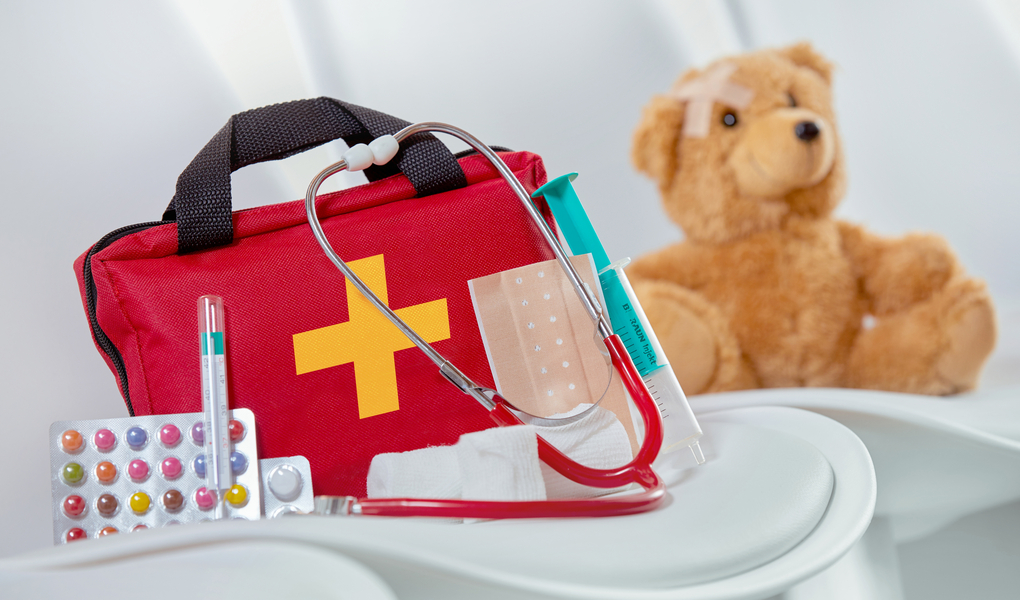
1. Stay One Step Ahead: Emergency Preparedness
Just as every great captain needs a map, every parent needs a plan. Your parenting toolkit should include:
- Knowledge of Basic First Aid - A basic first-aid course can be a lifesaver, arming you with the knowledge to act quickly should a situation arise. For example:
- CPR for infants: Vital for instances where the baby stops breathing.
- Heimlich manoeuvre for infants: A lifesaver during choking episodes.
- Treating Burns: Run cool (not cold) water over the burn for about 10 minutes or until the pain subsides, then protect from further injury.
- Emergency Contacts: Keep a list of essential contacts, including your paediatrician, nearest hospital, and a trusted neighbour or family member, easily accessible.
- Baby’s Medical Snapshot: If your little one has any allergies or medical conditions, ensure you have this information readily available for caregivers or in case of emergencies.
2. Small But Mighty Risks: Preventing Choking
The big wide world is a treasure trove for little explorers. Here’s how you can make sure they only find harmless treasures:
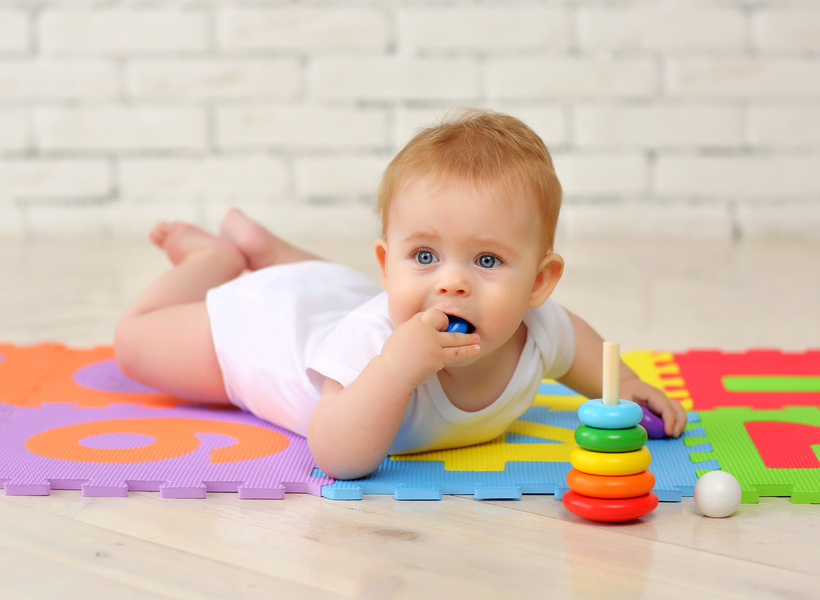
- Safe Play: Stay vigilant and ensure toys are age-appropriate and without small, detachable parts that are easy to swallow.
- Mindful Meal Times: When introducing solid foods, cut them into tiny, manageable pieces. Foods like grapes, which can block little airways, should be chopped finely.
- No Harm in Double-Checking: Regularly sweep your home for small items like coins, beads, or buttons. If it’s small enough to fit inside a toilet paper roll, it’s a potential choking hazard.
3. Trust Your Instincts: Recognising Signs of Illness
As parents, you will develop a sixth sense about our baby’s health, and tuning into the cues your baby gives will be a mix of art, skill and intuition. Still, a little knowledge goes a long way:
- Watch for Changes: Be it a prolonged fever, irregular breathing, unusual lethargy or a sudden rash, always trust your gut. Little signals can provide big insights after all.
- Stay Informed: Familiarise yourself with symptoms of common baby illnesses.
- Seek Help: If something doesn’t feel right, never hesitate to consult with a medical professional. Your peace of mind is worth that phone call.
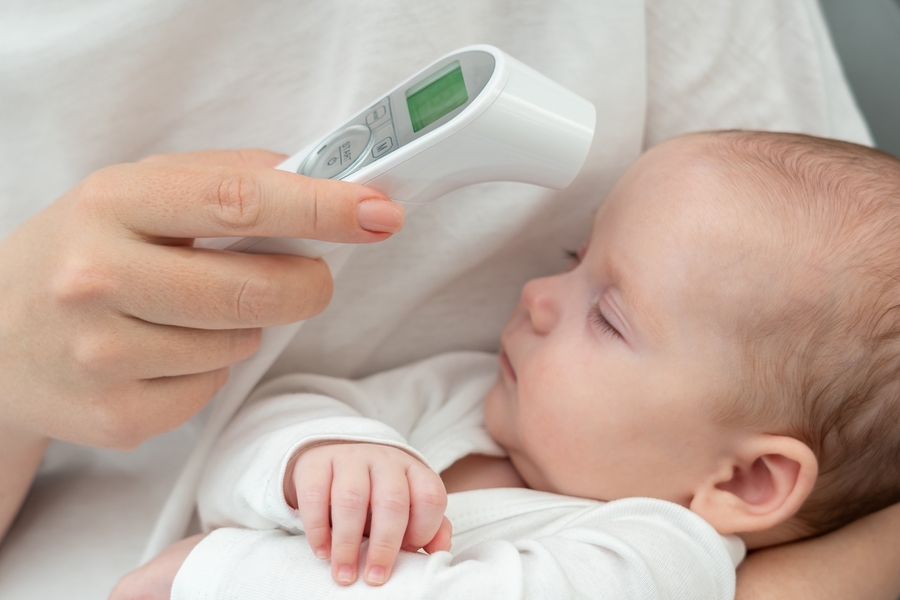
- Decoding Temperatures:
- Normal: A baby's typical body temperature is between 97-100.4°F (36-38°C).
- High Alert: Above 100.4°F (38°C) is fever territory. If this occurs:
- Keep your baby hydrated and lightly dressed. Avoid over-swaddling which can lead to overheating. Opt for breathable fabrics.
- Consider giving a doctor-recommended dose of baby-safe paracetamol like Calpol, if necessary.
- Cool compresses can offer comfort too.
- If the fever persists or is accompanied by other symptoms, seek medical advice.
- Always Consult: If in doubt, a call to your paediatrician can provide clarity and peace of mind.
Parenting can be a thrilling journey and, as with all voyages, it’s the mix of the delightful moments and the lessons learned that truly shape the adventure. Here at Babyshop, we’re ready to offer guidance and support, because every captain deserves a trusty crew!
May your parenting seas be calm and relaxing!


 Gift Card
About Shukran
Join Now
Gift Card
About Shukran
Join Now



