
We are currently delivering to
Change Area

Free ShippingOn orders above AED 200

Click & CollectOrder online and collect in store

Home DeliveryWithin 3-4 business days


 Gift Card
About Shukran
Join Now
Gift Card
About Shukran
Join Now



A bully can turn a simple action like taking the school bus or getting changed for PE into an absolute nightmare for kids, leaving deep emotional scars and, in extreme situations, physical ones. If your child is being bullied, then you will naturally want to do everything in your power to stop it, including involving the school authorities – if that’s where it is occurring – and teaching coping mechanisms to your child to lessen its damaging impact. Even if bullying isn't an issue in your family right now, it's a good idea to discuss it so that your kids will be prepared should it ever happen. We have consulted with the experts to bring you this overview of how you can help, as a parent, and have also included some tips for kids that you may want to pass on.
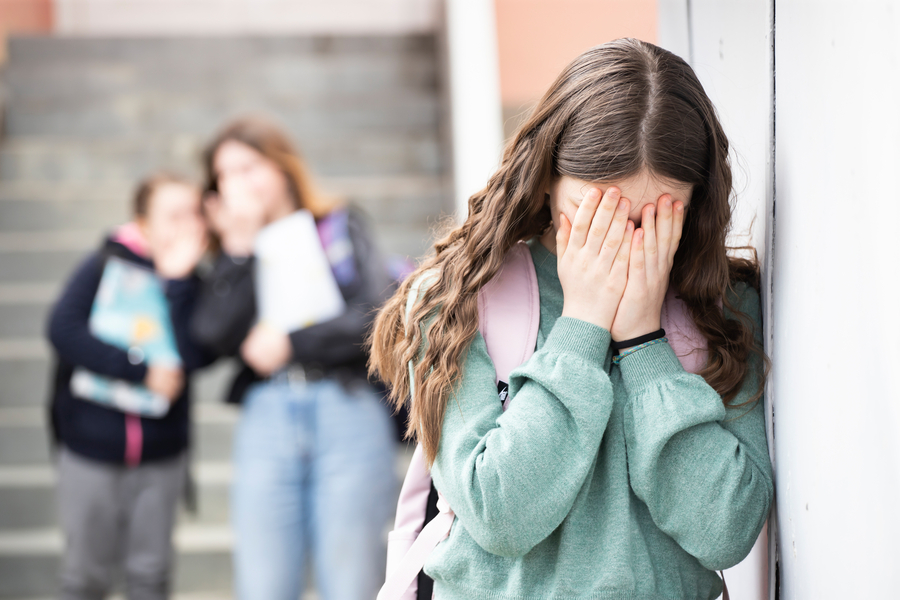
Let us begin by saying that it's important to take bullying seriously and not just brush it off with the advice to ‘toughen up and get a thicker skin’. In certain cases, the effects can become very serious and affect your kid’s sense of safety and self-worth, which can lead to tragic outcomes if not addressed.
Most kids get teased by a sibling or a friend at some point, and it's usually not harmful when done in a playful and friendly way, and both kids find it amusing. However, when teasing becomes hurtful, unkind, and frequent, it crosses the line into bullying and cannot be allowed to continue. Bullying is defined as intentional tormenting in physical, verbal, or psychological ways. It can present itself in myriad different ways, from hitting, shoving, name-calling, threats and mocking to extorting money and possessions. Some kids bully by snubbing and excluding others and spreading rumours about them. Others use social media or electronic messaging to taunt others or hurt their feelings – this comes under the heading of Cyberbullying, and warrants a separate article to follow, to discuss the particulars as it has become so pervasive in recent times.
Unless your child tells you about bullying, or has visible physical markings, it can be hard to know if it's happening, so here are some of the potential warning signs:
If you suspect bullying but your child is reluctant to open up, find a way to gently bring up the issue, for example by relating any personal experiences you or someone you know had at that age. Let them know that if they're being bullied or harassed — or see it happening to someone else — it's important to talk to someone about it, whether it's you or another responsible adult (e.g. a teacher or family friend), or even an older sibling.
There's no one-size-fits all approach, however the below offers a good place to start:
Experiencing bullying can damage a child's confidence, so to help rebuild it, encourage your kids to spend time with friends who have a positive influence. Make it a nightly routine to talk with your kids about how their day went, the good and the bad. Focus on developing their talents and interests in music, arts, athletics, reading, and after-school activities so your kids build relationships outside of school.
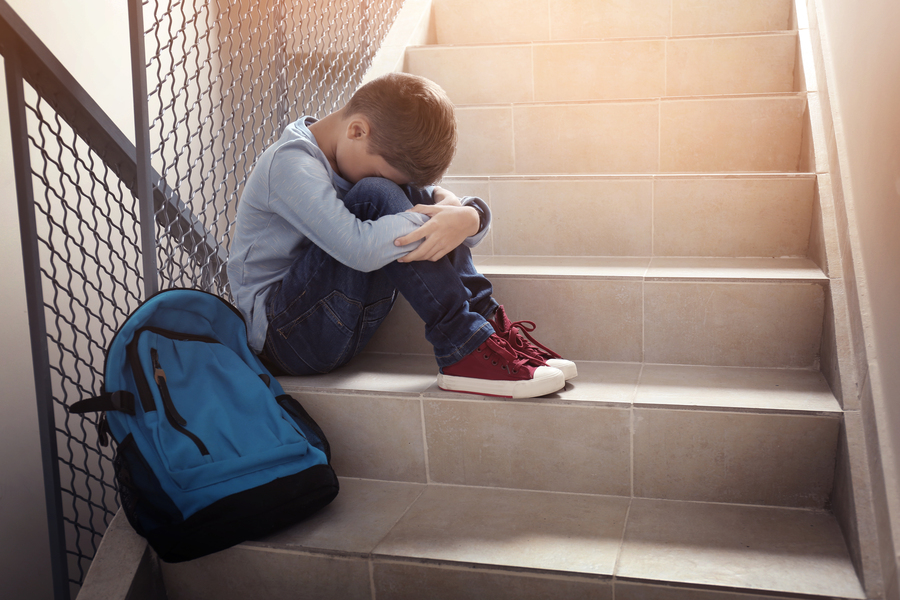
Below are some strategies and coping mechanisms that kids can employ to improve the situation:
We appreciate that this is a serious issue which requires much thought and discussion, but we hope that the above summary of some of the key considerations is a helpful starting off point.


